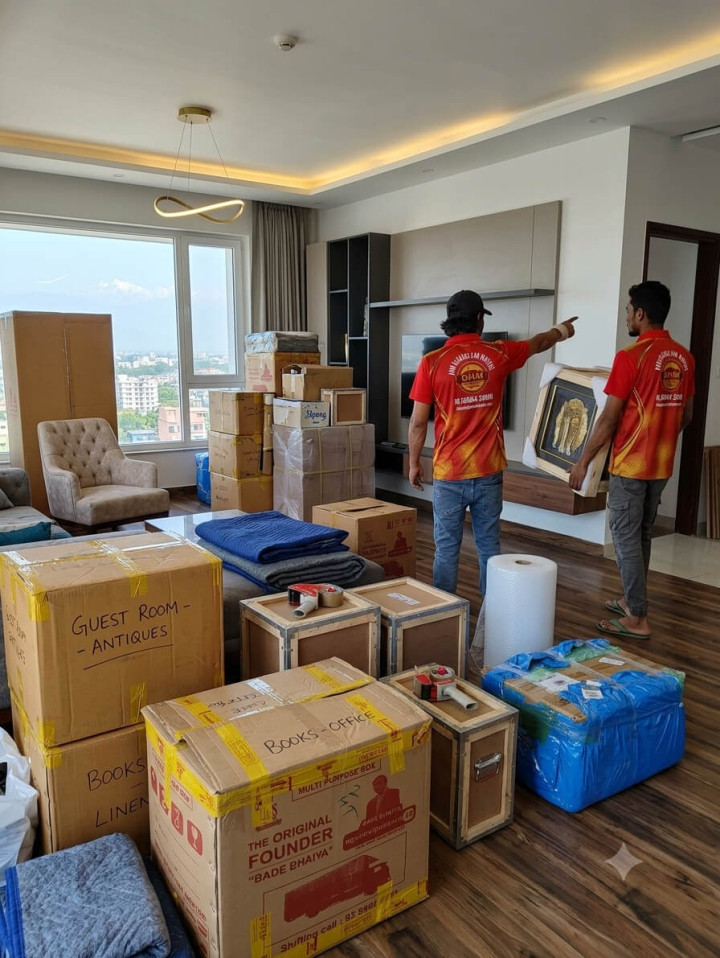
Moving house is not only about shifting furniture from one place to another.
When children are there, moving can affect yours and your child’s routines, sleep, school, friendships, familiar rooms and, sometimes, your child’s sense of security. A baby may not understand why the house looks different where a teenager may understand everything and still not be happy about leaving friends behind.
We at DHM have handled relocations for families at each different stages of life. Our approach is to make the physical side of moving organized so you get more time to focus on your children. We offer home shifting, packing, loading, transportation, unloading support, with trained teams and a process that covers everything from initial discussion to final placement of your belongings.
The best way to relocate with children? Plan around their age than treating every child the same.
Moving With a Baby: Keep Familiar Things Close
Babies don't need a long explanation about moving. They need familiarity.
Try to keep their normal feeding, sleeping and nap schedule as consistent as possible. Pack their favourite blanket, feeding supplies, nappies, medicines, clothes, familiar toys separately than putting everything into main household load.
An essentials bag is particularly useful here. You don't want to open ten cartons looking for a baby's bottle after a long day of shifting.
During the actual loading and unloading, it is also sensible for a parent or trusted caregiver to stay with the baby away from the moving activity. Boxes, tools, furniture and open doors can create unnecessary hazards.
Toddlers Need Reassurance and Something Familiar
Toddlers understand more than they can express.
A sudden change in their surroundings can make them clingy, restless or upset. Instead of keeping the move mystery to them, explain it in simple language. Show them pictures of your new home if you have them. Let them choose a small toy or book to carry personally.
A comfort item can make a big difference.
It also helps to keep toddlers away from the main packing area. While our trained crew handles furniture and cartons, parents can arrange for a relative, friend or caregiver to look after the child for a few hours.
That gives everyone some breathing room.
School-Age Children Should Be Part of the Conversation
Once children reach school age, moving becomes more complicated.
They may be thinking about their classroom, teachers, friends, activities and what their new school will be like. Discussing the move early gives them time to process the change and say goodbye than discovering everything at last minute. Our guidance also recommends notifying existing school and arranging the transfer of relevant school records when children move to a new area.
Give them small responsibilities.
They could decide which books go into their personal bag, help label their own box, choose where their bed or study table should go in their new room.
This sense of involvement can make their new house feel like theirs much sooner.
Moving With Pre-Teens: Give Them Some Control
Children with 10–13 age group can have strong opinions about relocation. And honestly, telling them that everything will be fine may not help much. Listen to them first.
If they are worried about leaving friends, changing schools or losing access to a favourite activity, allow them to talk about it. At the same time, put them in practical decisions such as room arrangement, study space or which personal belongings they want immediately available.
A simple floor plan of new home can even help children visualize the change. Giving this makes children decide in where their furniture goes and can make the change feel less imposed on them.
Relocating With Teenagers Is a Different Conversation
Teenagers understand exactly what relocation means. They also have the strongest emotional reaction.
Friends, school, exams, sports, relationships, freedom becomes part of the discussion. So instead of treating their concerns as resistance, give them space to explain what matters to them.
If the move comes with changing schools, discuss the timeline early. If possible, let them research their new school, neighbourhood or activities themselves.
Older children benefit from being included in decisions than simply being informed after everything has been finalized. Age-appropriate involvement can help preserve a sense of control.
What Parents Should Keep Separate on Moving Day
Regardless of your child's age, create one family essentials bag or box that travels with you.
Keep medicines, documents, chargers, basic toiletries, snacks, children's clothes, school essentials, a few familiar comfort items easily accessible. We recommend keeping first-night essentials separate than burying them among main cartons.
At your new home, unpack your children's sleeping and everyday-use items first.
For babies and younger children, child-proofing should also happen fast. Stair gates, window locks, outlet protection, corner protection are worth checking before children begin exploring their unfamiliar space.
How DHM Packers and Movers Helps Families
Our role is to handle the physical relocation while you can focus on your family.
We begin by understanding what needs to be moved and can conduct an on-site or video survey. From there, we prepare the packing plan, assign materials and labour, load belongings using appropriate lifting methods, select routes according to local conditions, and carefully unload and place items at the destination.
We use different packing materials depending on the sensitivity of your belongings with bubble wrap, foam sheets, corrugated rolls, stretch film, edge protectors, cloth padding, reinforced cartons, and industrial tape.
Our teams also understand that apartment entry timings, society rules and loading points can affect your move. That coordination matters when you have children waiting at the other end.
FAQs About Moving With Children
What is the best age for children to move?
There is no single best age. Every family situation is different. The key is to prepare children according to their developmental stage and keep familiar routines and belongings available.
How can I make moving day easier for a toddler?
Keep your child away from active loading areas, maintain familiar meals and naps where possible and keep favourite toys or comfort items with you.
Should children help with packing?
Older children can help with simple personal tasks, such as organising books or labelling their own belongings. Younger children should generally stay away from active packing and loading areas.
How do I prepare a teenager for relocation?
Discuss the move early with them, listen to concerns, involve them in practical decisions, give them time to adjust to changes in school, friends and routine.
Can DHM handle interstate family relocation?
Yes. DHM provides both shorter-distance and long-distance relocation services across multiple Indian cities and states, with home shifting, packing, loading, transportation and unloading support.
Final Thoughts On Guide to Relocating With Children
A family move doesn't have to be perfect. There will be one forgotten toy, your child will get emotional at the wrong moment, a carton that seems to disappear when you need it most. That's fine. What helps is preparation.
Keep your children's routines familiar, separate their essentials, let an experienced moving team handle the heavy work.
Planning a family move? Call +91 9666436000 for relocation assistance.